Signs a Tree Needs Assessment
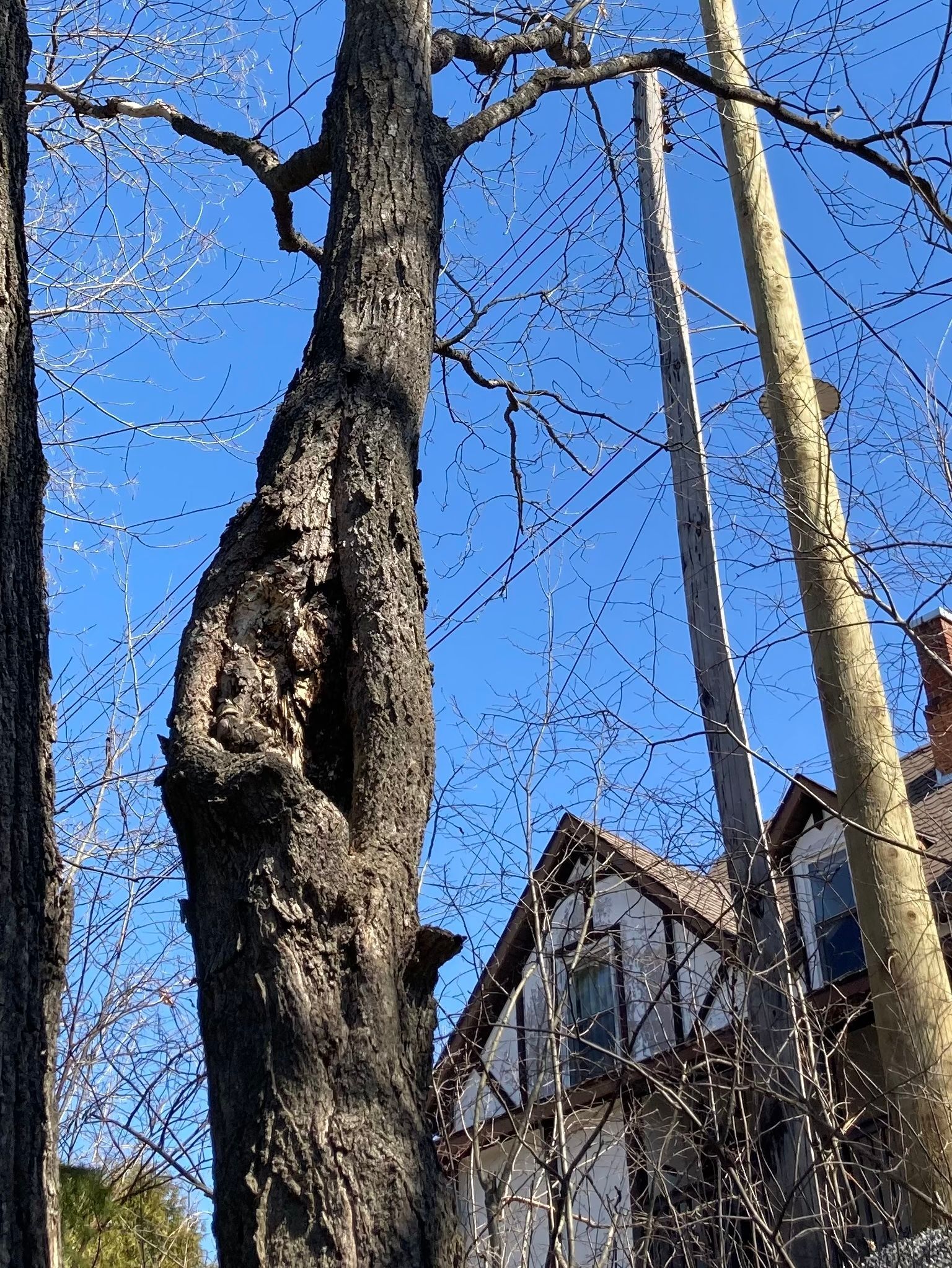
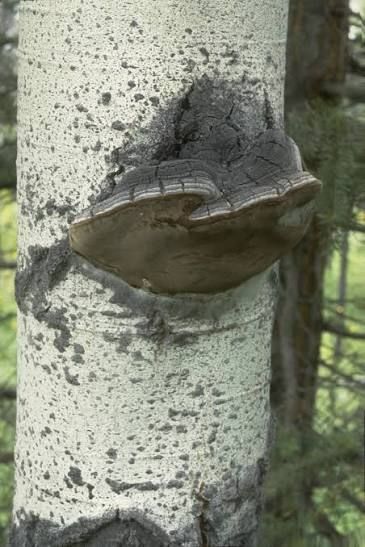
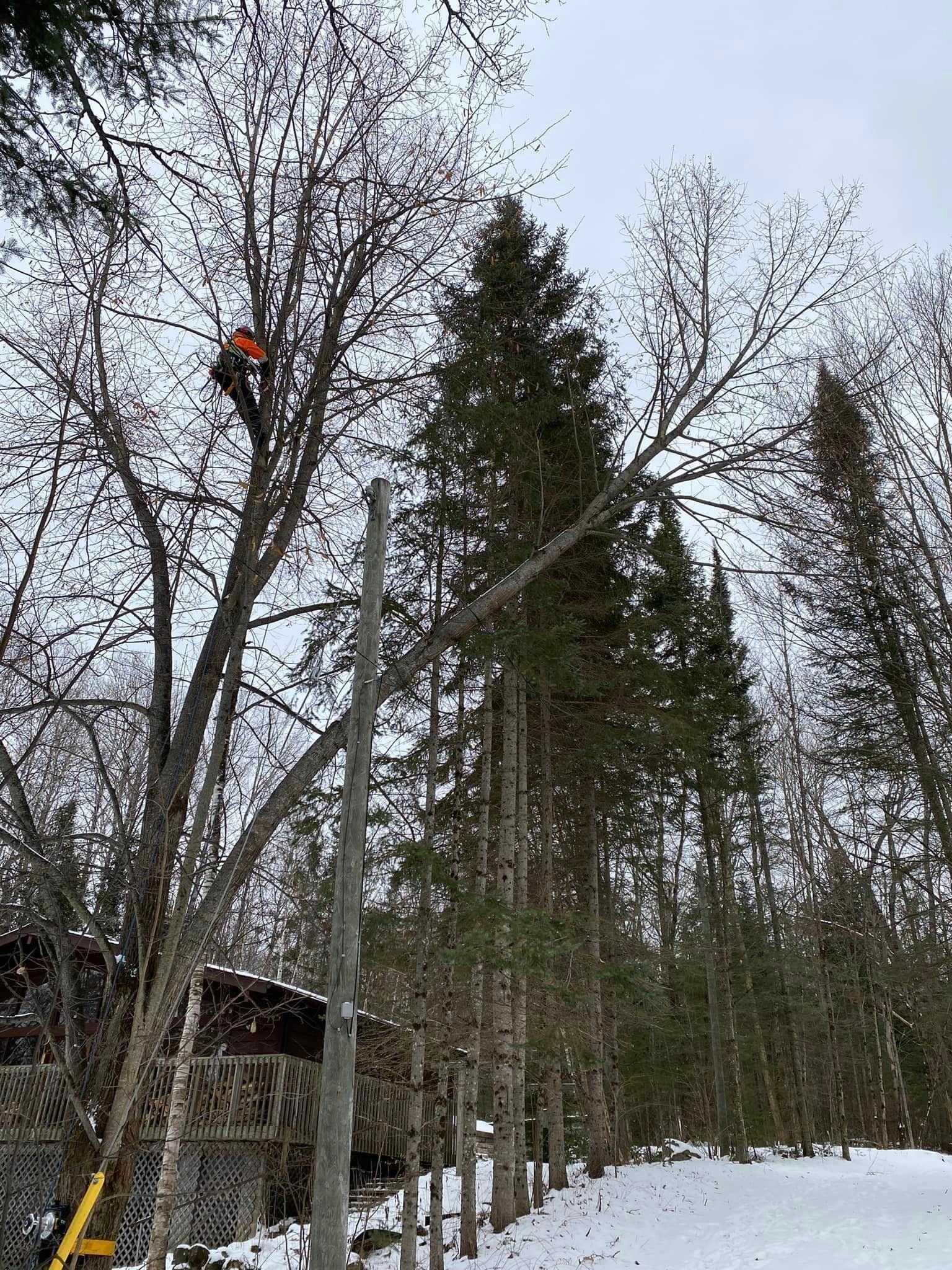
Trees often show subtle warning signs before larger problems develop. From thinning canopies and tip dieback to excessive deadwood, visible decay, fungal growth, or weak structural unions like codominant stems, these symptoms can indicate underlying health or stability concerns. Early assessment by an ISA Certified Arborist can help identify risks, protect your property, and preserve the long-term health and safety of your trees.
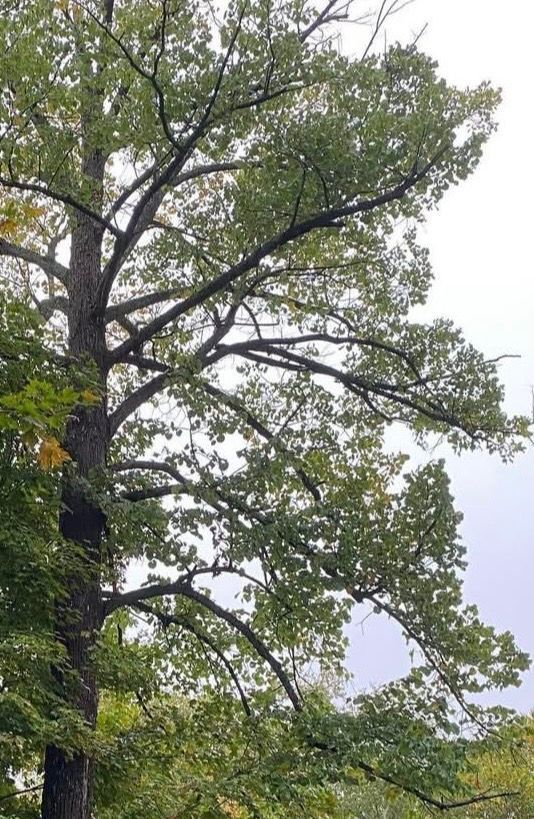
Thinning Canopy
Foliage appears less dense than usual (more sunlight getting through). This can mean foliar insects and root damage among other things.

Tip Die Back
Seeing the branch tips die? This can be a sign of root issues.
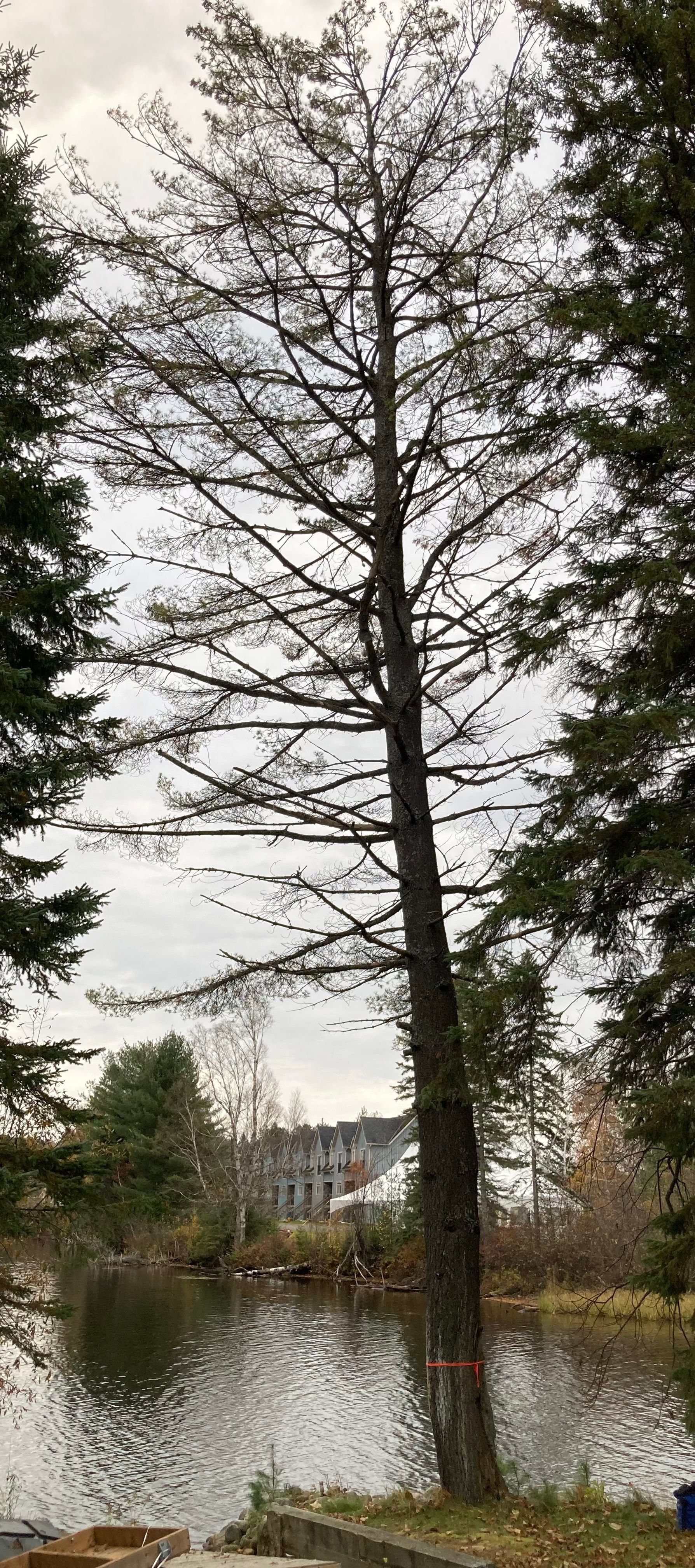
Excessive Deadwood
If you’re seeing an excessive amount (some is natural), this could mean the tree is under stress from underlying health issues like disease, environmental stress, or physical damage.